More Than Words: A Sojourner’s Reflection on Reconciliation and Responsibility
Published by Abdulmalik Nuhu, Founder and Executive Director, Mamo Memorial Peace Foundation Inc. June 2026 | National Indigenous Peoples Month
This is the month when people across Canada gather to celebrate Indigenous peoples, their histories, their cultures, their resilience, and their continuing presence on these lands. It is a month that invites reflection. And for me, that reflection comes from a particular and personal place.
I am a settler. A sojourner. Someone who arrived on these lands not by birth or by ancestral connection, but by choice and circumstance, and who has found in this place something I can, at this moment in my life, call home.
That is not a small thing.
The Land I Have Come To Call Home
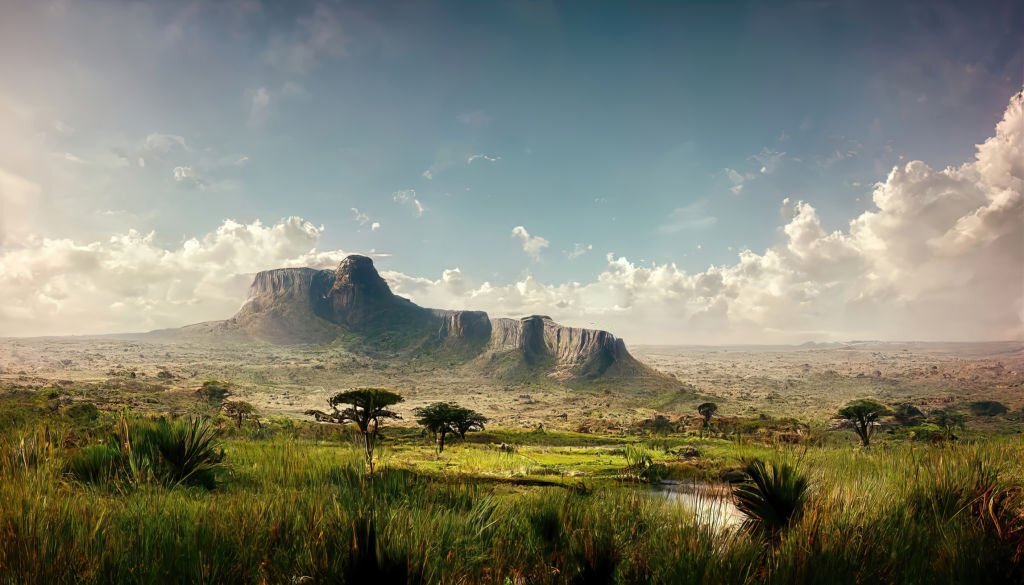
I am writing this from the Indigenous lands of Northern Manitoba, a vast and living territory that stretches from the Swan Valley northward through The Pas, through the boreal forest and the wetlands, up through the Pas-to-Thompson corridor and all the way to the cold Arctic shores of Churchill.
This land is extraordinary.
It is blessed with people. It is blessed with natural resources. It is blessed with water bodies that sustain life across generations. It is a place where species thrive, where birds fill the air, where four-footed animals move through ancient forests, where fish swim across rivers and lakes that have carried life for thousands of years. And yes, where the tiny insects that ring in your ears and buzz around your face during the summer months remind you, without apology, that they were here first too.
This is a land built to feed people, to sustain people, and to keep people growing. And I, a stranger who has arrived here, am the beneficiary of all of it.
Pausing to Pay Homage
Before I go any further, I need to pause.
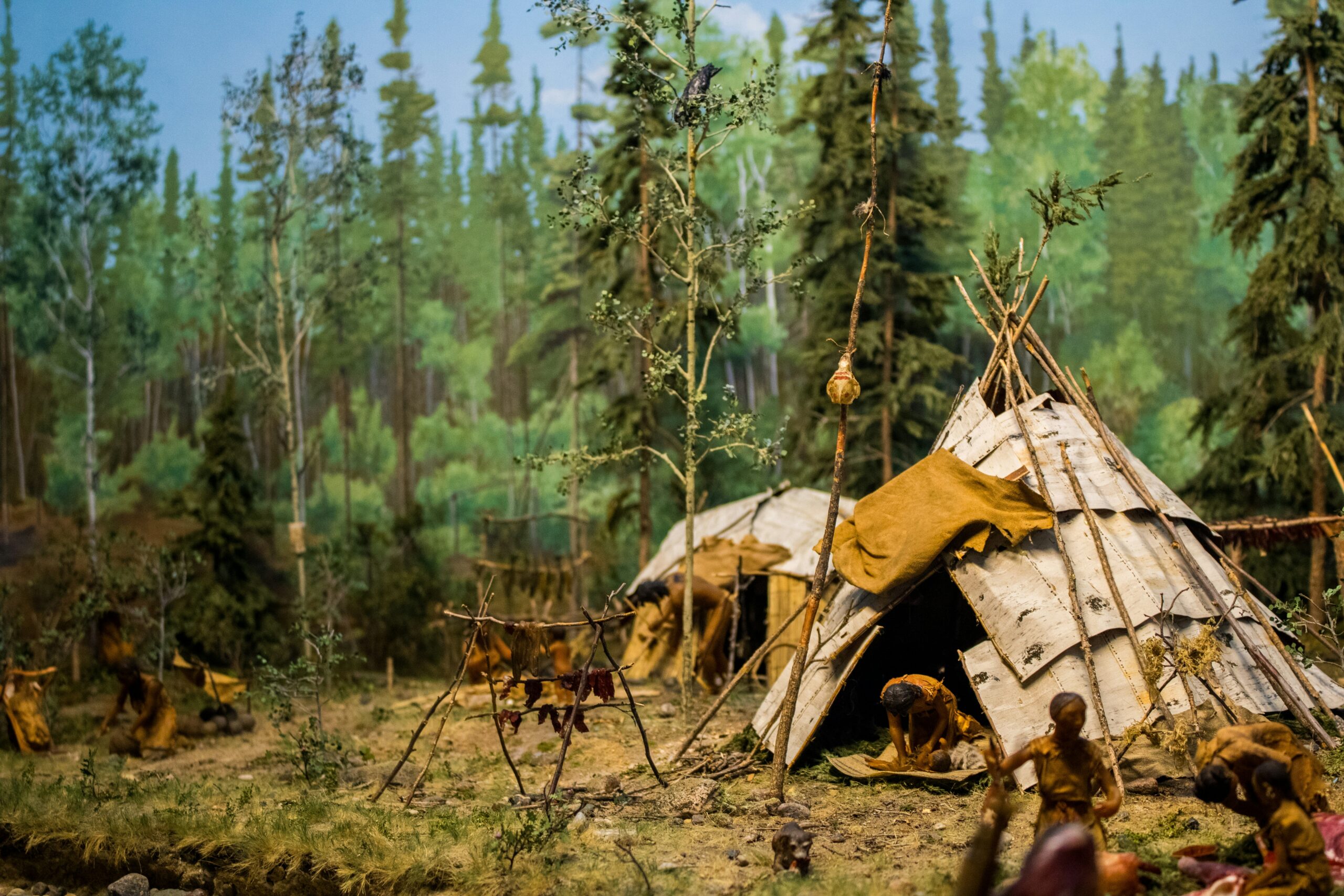
I want to acknowledge, not as a formality, not as a checkbox, but as a genuine act of gratitude, the people who have lived on these lands long before I arrived, and who will continue to live on these lands long after I am gone. The Cree Nation. The people of Opaskwayak. The communities along this corridor whose ancestors read the sky, read the seasons, and read the land in ways that sustained entire civilizations without instruction manuals, without weather apps, without GPS.
These are people who could look up at the sky and tell you what weather was coming. People who could read the atmosphere and understand the season simply by observing the earth beneath their feet. People who carried knowledge in their bodies, in their languages, in their ceremonies, and in their relationships with the natural world.
That knowledge is not primitive. It is profound. And it deserves more than a polite sentence at the top of a meeting.
What Land Acknowledgment Actually Means
Here is where I want to be honest, because I think honesty is exactly what this moment requires.
Land acknowledgment, especially for foreigners and settlers like me who work and live on these territories, is something we must do with a great sense of responsibility. It is not a performance. It is not a ritual that ends when the microphone is passed. It is not a shield we hold up to protect ourselves from accountability.
And yet, the whole framework of truth and reconciliation has been abused over the years. It has been misused. It has been underused. It has been reduced, far too often, to a rehearsed paragraph that people recite and then promptly forget the moment the real meeting begins.
Reconciliation has been bastardized by those who want the appearance of commitment without the weight of it.
I say this not to condemn anyone, but because I believe that naming the problem clearly is the only way to move past it. And as someone who has come to this land from elsewhere, as someone who holds no inherited guilt but carries a present-tense responsibility, I feel an obligation to say: we can do better.
Reconciliation Is a Verb
Reconciliation does not end on paper. It does not live in the speeches we give at conferences or the statements we post on websites, including ours.
It lives in the day-to-day.
It lives in how you see the Indigenous person sitting across from you in a courtroom, a classroom, a waiting room, or a boardroom. It lives in whether you interact with them as a full human being with a complex story, or whether you reduce them to a statistic, a stereotype, or a problem to be managed.
It lives in whether you, as a sojourner on this land, show up for their struggles, not as a savior, but as a neighbor. Not with pity, but with solidarity. Not only in the hard moments, but especially in the moments of victory, when you stand beside them and celebrate what they have built and what they have survived.
For those of us who have come to call this land home, reconciliation is not a gift we give to Indigenous peoples. It is a responsibility we carry every day, in every decision, in every relationship we build or fail to build.
Where Mamo Memorial Peace Foundation Stands
Mamo Memorial Peace Foundation is deeply and sincerely grateful for the opportunity to exist within this space.
We are headquartered in The Pas, in the territory of the Opaskwayak Cree Nation, and our work does not happen in spite of this location but because of it. The communities we serve, the young people we walk alongside, the elders we learn from, the conversations we hold in our Community Circles, all of it is rooted in this land and in the relationships that this land makes possible.
Our commitment is not a statement. It is a direction.
We are committed to ensuring that this space remains viable, alive, and meaningful for everyone who will come after us. We are committed to putting our presence to work, not extracting from this community, but building with it. And we are committed to supporting the growth of this region with the life we have, the time we have, and the purpose the Creator has placed in our hands.
A Call to Everyone Who Reads This
If you have read this far, I want to ask something of you.
Whether you are a settler like me, a newcomer still finding your footing, a long-time resident, or an Indigenous person reading words written in your honor, I want to ask you to hold reconciliation as a living commitment, not a completed task.
Ask yourself: In the places where I have power, however small, am I using it to support Indigenous peoples and communities, or am I simply staying comfortable?
Because that is where reconciliation happens. Not in the grand gestures. In the small, daily, chosen ones.
My brothers, my sisters, my neighbors, my friends, let our actions speak louder than our words.
Abdulmalik Nuhu is the Founder and Executive Director of Mamo Memorial Peace Foundation Inc. (MMPF), a nonprofit based in The Pas, Northern Manitoba, dedicated to peacebuilding, digital inclusion, youth empowerment, and community dialogue. Learn more at mmpf.ca.
Your contribution helps us host dialogues, run youth programs, and continue the quiet daily work of peacebuilding in Northern Manitoba.