
The Need for Resilience
A call among People Facing Humanitarian Crises
Humanitarian crises can occur suddenly and have a devastating impact on the lives of those affected. Whether it’s due to natural disasters, conflict, or economic instability, these crises can cause displacement, loss of life, and long-term suffering. However, amidst the chaos and adversity, it’s crucial for people to cultivate resilience to cope with the challenges they face.
Resilience can be defined as the ability to adapt and recover from adversity, trauma, or stress. It’s a vital skill for individuals facing humanitarian crises, as it helps them to maintain a sense of hope and optimism, even in the most difficult circumstances. Resilience allows individuals to stay focused on their goals, maintain a sense of purpose, and overcome the challenges they face.
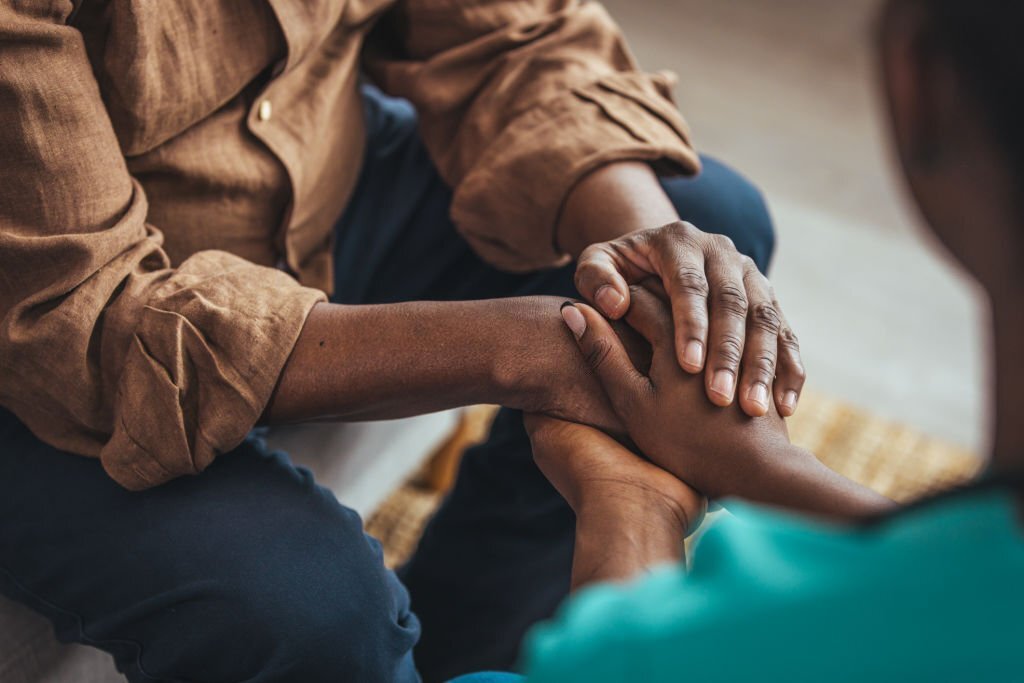
One of the most important factors in cultivating resilience is social support. People facing humanitarian crises need to feel connected to others and have a sense of community to draw strength and comfort from. By building strong relationships and support networks, individuals can maintain a sense of belonging and purpose, which can help them to cope with the challenges they face.
Another key factor in resilience is a positive mindset. People who are resilient tend to focus on the positives in their lives, rather than dwelling on the negatives. They maintain a sense of optimism and hope, even in the face of adversity. This positive mindset helps individuals to stay motivated and focused on their goals, which can be crucial for survival in a humanitarian crisis.
Resilience can also be cultivated through self-care. People facing humanitarian crises need to take care of their physical, emotional, and spiritual needs to maintain their well-being. This includes getting enough sleep, eating a healthy diet, exercising, and practicing relaxation techniques such as meditation or deep breathing. By taking care of themselves, individuals can maintain their physical and emotional health, which can help them to better cope with the challenges they face.
In conclusion, resilience is a crucial skill for individuals facing humanitarian crises. By building strong social support networks, maintaining a positive mindset, and practicing self-care, individuals can cultivate resilience to help them cope with the challenges they face. While the impact of a humanitarian crisis can be devastating, the resilience of individuals can help them to overcome adversity and rebuild their lives.
